
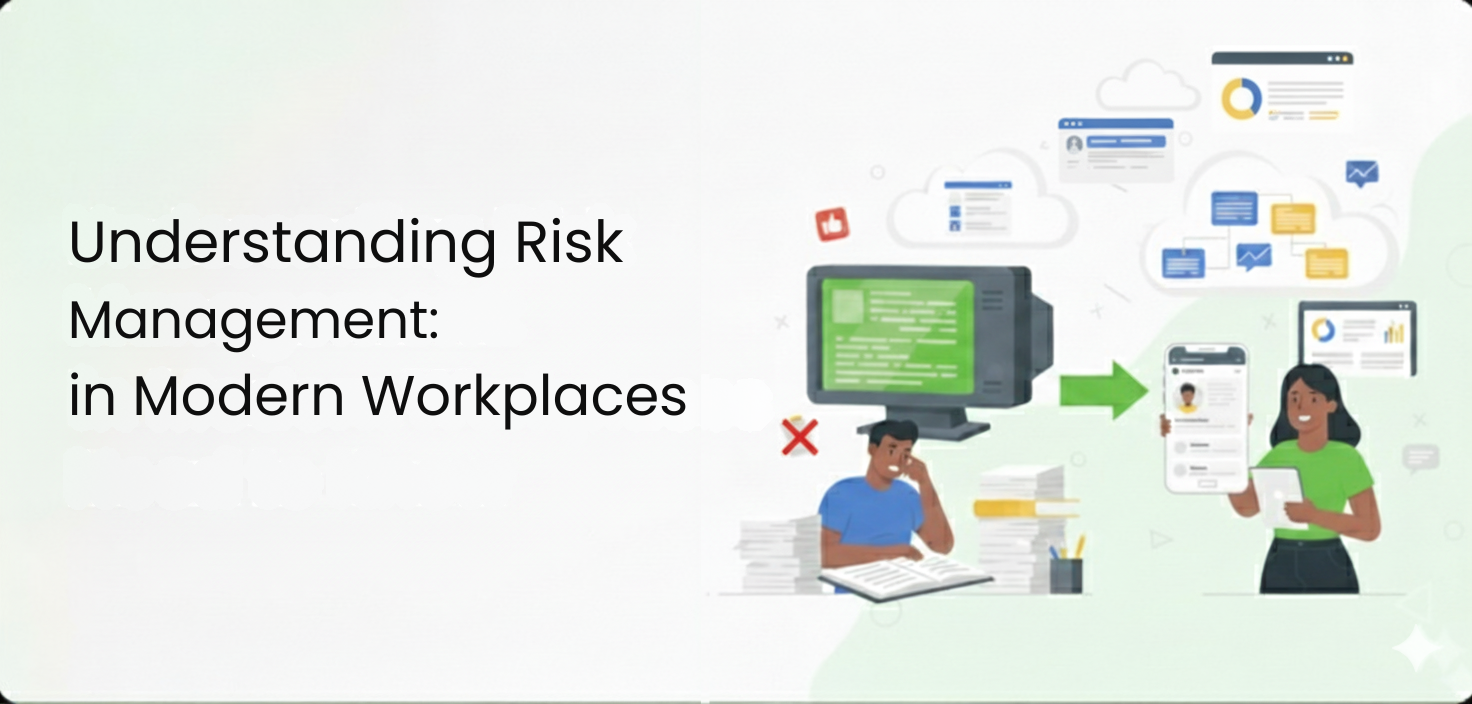
Workplaces face challenges that extend far beyond daily operations. Risk management in Modern Workplaces has become an essential part of building a resilient organization. Whether it’s handling unexpected disruptions, safeguarding employees, or protecting financial assets, modern workplaces must adapt their strategies to minimize vulnerabilities. Understanding how risk management fits into everyday business life can help leaders maintain both stability and growth.
The Importance of Identifying Workplace Risks
Every workplace, regardless of size or industry, faces unique risks. These risks can range from physical hazards on a factory floor to cybersecurity threats in digital offices. By identifying potential risks early, businesses can create strategies to prevent or lessen the impact of unforeseen events. This proactive approach not only reduces potential financial losses but also improves trust among employees, customers, and stakeholders.
Risk identification should involve analyzing both internal and external factors. Internally, managers can evaluate employee safety, operational inefficiencies, and equipment maintenance. Externally, businesses must stay alert to changes in the economy, regulations, and customer expectations. Recognizing these threats before they escalate is the foundation of effective risk management.
Building a Culture of Safety and Preparedness
Risk management isn’t just about policies and procedures; it’s about cultivating a workplace culture where safety and preparedness are embedded into daily routines. When employees feel empowered to report potential hazards or suggest improvements, organizations gain valuable insights into risks that may otherwise go unnoticed.
Training programs, open communication channels, and clear emergency procedures play a significant role in creating this environment. Leaders should model responsible behavior, reinforcing that risk management is a collective responsibility rather than an afterthought. Over time, this cultural shift builds resilience, enabling companies to respond effectively to challenges.
The Role of Technology in Risk Management
Modern workplaces are increasingly relying on technology to manage and mitigate risks. From data analytics that forecast potential disruptions to automated monitoring systems that detect safety hazards, technology can streamline risk management practices. Cloud platforms, for instance, allow businesses to store and protect sensitive information, reducing vulnerability to data loss.
However, reliance on technology introduces new risks as well, including cyberattacks and system failures. Companies must strike a balance between adopting innovative tools and ensuring they are supported with strong cybersecurity measures. Regular updates, employee training on digital security, and incident response plans help reduce these risks while still benefiting from technological advancements.
Insurance as a Safety Net
Even with careful planning, not every risk can be anticipated or prevented. This is where insurance plays a crucial role in supporting risk management strategies. By securing appropriate coverage, businesses can protect themselves from financial strain caused by accidents, natural disasters, or liability claims.
Having commercial business insurance coverage ensures that unexpected events don’t derail long-term goals. It provides peace of mind that the organization can recover from setbacks without jeopardizing operations or employee well-being. For modern workplaces, insurance is more than a backup plan; it’s a strategic safeguard that complements proactive risk management efforts.
Adapting to a Changing Workplace Landscape
Workplaces are constantly evolving, driven by global trends, remote work models, and shifting employee expectations. As environments change, so too must risk management strategies. Remote teams, for example, face different risks than traditional office setups, such as connectivity issues and data security concerns. Similarly, hybrid models require managers to balance both digital and in-person safety considerations.
Flexibility is key. Businesses that regularly reassess their risk management frameworks are better equipped to stay ahead of emerging challenges. This adaptability not only protects the company but also demonstrates a commitment to supporting employees and clients in an ever-changing world.
Conclusion
Understanding risk management in modern workplaces means more than simply addressing hazards when they arise. It involves identifying threats early, fostering a culture of preparedness, integrating technology wisely, and securing reliable business insurance coverage. By weaving these elements into daily operations, businesses can build resilience, protect their people, and thrive despite uncertainty.